
JPMorgan Chase CEO Jamie Dimon warned in his annual letter to shareholders that the war in Iran could lead to more stubborn inflation as well as higher interest rates than what the market is currently anticipating.
Dimon's letter was released Monday in conjunction with JPMorgan's annual report for 2025 and said that the Iran war may cause energy shocks along with disruptions to global supply chains that could cause inflation to remain higher than expected.
Inflation that persists above the Federal Reserve's 2% and rises further from its already elevated level could also prompt the central bank to raise interest rates to slow the pace of price growth.
"Now, because of the war in Iran, we additionally face the potential for significant ongoing oil and commodity price shocks, along with the reshaping of global supply chains, which may lead to stickier inflation and ultimately higher interest rates than markets currently expect," Dimon wrote.
Ny Fed President John Williams Warns Iran-driven Oil Spike Could Ripple Through Economy
Dimon said that the foremost risks facing financial markets and the economy are geopolitical in nature, including the Iran war and Russia's war in Ukraine, as both conflicts have an "impact on countries and economies across the globe that are not directly involved in war."
"Nations that are heavily dependent upon imported energy are already seeing the effects. And it's not just energy, it's commodity products that are byproducts of oil and gas, like fertilizer and helium. And given our complex global supply chains, countries are experiencing disruptions in shipbuilding, food and farming, among others," Dimon wrote.
"The outcome of current geopolitical events may very well be the defining factor in how the future global economic order unfolds – then again, it may not," he added.
Dimon said that while the most important outcome of those conflicts should be the "proper resolution of the current wars and, ultimately, peace on Earth, we do need to understand and track the economic effects" of those conflicts and the risks they pose.
Powell Warns Of New Energy Supply Shock As Gas Prices Surge: 'No One Knows How Big It Will Be'
He said that a "bad confluence of events" can generally cause some degree of a recession accompanied by high credit losses and market volatility, as well as lower asset prices and elevated unemployment, though it could play out in different ways in different places.
LATEST POSTS
- 1
 UB professor shares his experience on almost becoming an astronaut
 - 2Jennifer Lawrence and Josh Hutcherson to reprise their roles for new 'Hunger Games' movie 'Sunrise on the Reaping'
- 3Instructions to Discuss Successfully with Your Auto Collision Lawyer
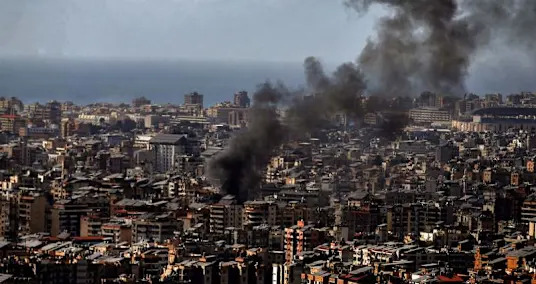
- 4At least 7 dead as Israel renews attacks on Beirut and across Lebanon
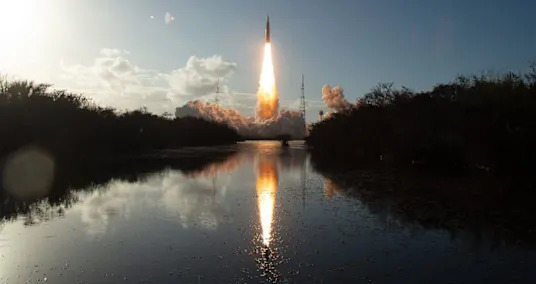
- 5Relive NASA's historic Artemis 2 launch to the moon in these stunning photos


- Trump said affordability is a ‘hoax’ in his Pennsylvania speech. What do the latest numbers show?
- Cyprus urges hotels to open up, pours funding into tourism
- Innospace's rocket crashes in first commercial launch in Brazil; shares tumble
- Manual for Savvy Home Lighting Framework: Lights up Your Space
- Famous Network programs in Europe and America
- Procter & Gamble changes Crest toothpaste packaging to address Texas AG fluoride concerns
- The Developing Nearby Food Development and Its Advantages
- 5 Christmas movies to stream for less with this Paramount+ Black Friday deal
- Most loved VR Game for Wellness: Which Keeps You Dynamic?