When you buy through links on our articles, Future and its syndication partners may earn a commission.

You can tune in to see live views of the Geminid meteor shower as it peaks overnight on Dec. 13-14, thanks to a free livestream hosted by the Virtual Telescope Project. The annual shower occurs as Earth passes through the debris-strewn orbit of the wandering asteroid (3200) Phaethon.
The livestream is scheduled to start at 4 p.m. EST (2100 GMT) on Dec. 13 on The Virtual Telescope Project's YouTube channel, weather permitting. Under perfect dark-sky conditions, you could see up to 150 meteors per hour near the peak, although most viewers will see fewer, especially from light-polluted areas.
If clouds conspire to ruin your view — or if you live in the southern hemisphere, where the shower isn't visible at all — the Virtual Telescope Project's Livestream will help ensure that you won't miss out on one of the most impressive natural light shows of the year.
The stream is set to run until dawn and will feature views from the organization's super-wide-angle all-sky camera located in Manciano, Italy, which, according to Virtual Telescope Project founder Gianluca Masi, is one of the darkest sky regions in the country.
How to look for Geminids
Look for Geminid meteors streaking away from a point of origin close to the bright star Castor in the constellation Gemini, which rises above the eastern horizon a few hours after sunset and remains visible throughout the night. As such, Geminid shooting stars can be spotted from mid-evening until dawn. Moonlight shouldn't spoil the show too badly this year, though a 26%-lit waning crescent moon rises an hour or two after midnight, which may make viewing slightly more challenging in the hours preceding sunrise.
Shooting stars become visible when particles shed by wandering comets or asteroids impact Earth's atmosphere and vaporize in brief flashes of light., If you're hoping to capture a photo of a meteor yourself, check out our guide to photographing shooting stars, along with our picks of the best cameras and lenses for imaging the night sky.
Editor's Note: If you capture a shooting star and want to share your astrophotography with Space.com's readers, then please send your photo(s), comments, name and location to [email protected].
LATEST POSTS
- 1
 Vote in favor of your Number one method for praising a birthday
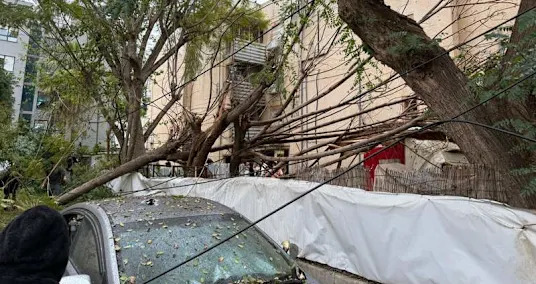
 - 2Tehran synagogue damaged by missile strike according to Iranian media
- 3Unpaid caregiving work can feel small and personal, but that doesn’t take away its ethical value
- 47 Countries Where You Can Buy a Home for Under $100,000
- 5How Would You Like to Deal with Your Funds?





- In Antarctica, photos show a remote area teeming with life amid growing risks from climate change
- Iran fires one of largest barrages in weeks ahead of Passover
- Unsold Rams May Be Less expensive Than You Suspect
- Satellites capture aftermath of Ethiopian volcano's 1st eruption in recorded history (images)
- The Response to Self-improvement: Embracing a Development Outlook
- Elvis Presley's Infamous Pantera Shooting
- Defense Minister Katz moves to extend IDF service to 36 months
- Picking the Right Home Machines: A Commonsense Aide
- The pace of hiring just fell to the lowest since 2011, outside of the pandemic